

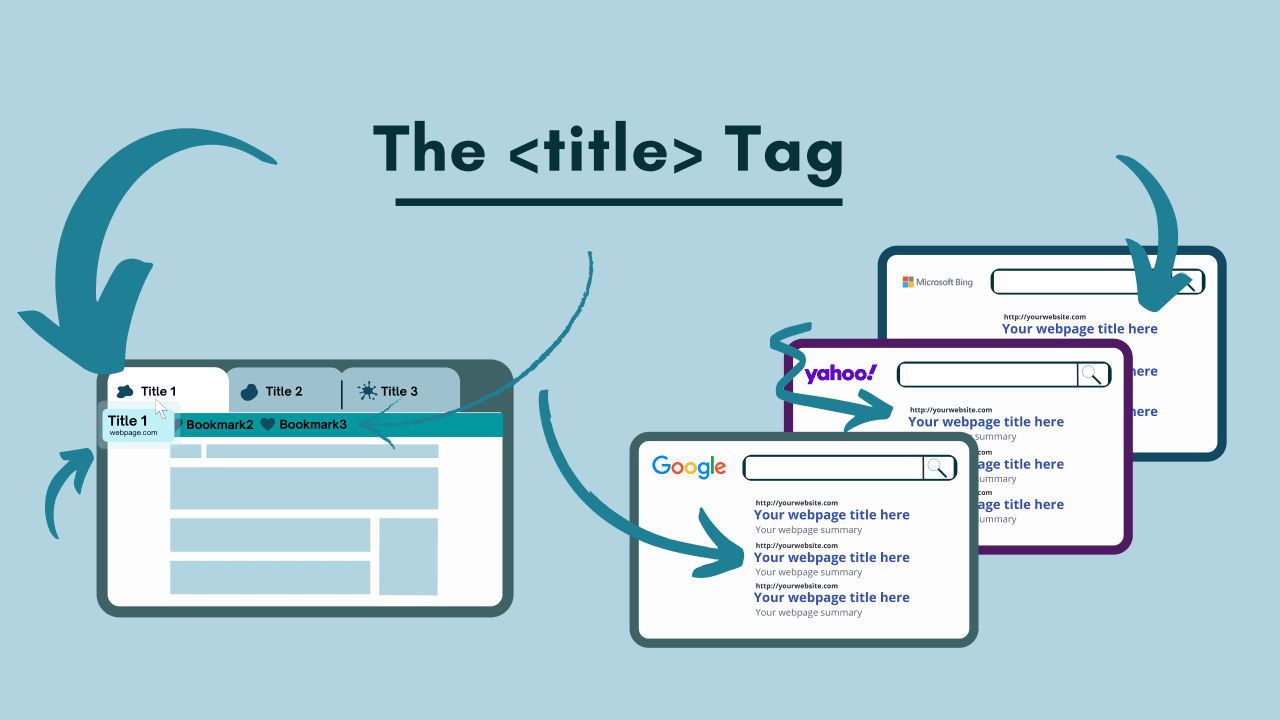
Search engines rely on multiple signals to understand the content of a webpage. One of the most important elements among them is the title tag. The title tag provides both users and search engines with a concise description of what a page contains. When optimized properly, it can improve search visibility and increase click-through rates from search engine results pages (SERPs).
Understanding SEO Titles is essential for anyone involved in website management, digital marketing, or content publishing. A well-structured title helps search engines categorize your page and allows users to decide whether the content matches their search intent.
What Is a Title Tag?
A title tag is an HTML element that defines the title of a webpage. It appears in three primary locations:
- Search engine results pages (SERPs)
- Browser tabs
- Social media previews when a page is shared
The HTML structure of a title tag typically looks like this:
<title>Example Page Title</title>
Search engines use the title tag as one of the main signals to determine the topic of a page. For users, it acts as the first impression of your content when they see it in search results.
Because of this dual purpose, the title tag plays a crucial role in both SEO performance and user engagement.
Why Title Tags Matter for SEO
Title tags influence how search engines interpret and rank web pages. While many factors contribute to rankings, the title tag remains one of the strongest on-page elements.
Helps Search Engines Understand Page Content
A clear and descriptive title tag helps search engines quickly identify the subject of a page. When the title aligns with the content and target keywords, search engines can index the page more accurately.
Improves Click-Through Rates
Even if a page ranks well, it still needs users to click on it. A relevant and informative title can encourage users to select your page over others listed in the results.
Supports Keyword Relevance
Including primary keywords in the title tag signals the topic of the page. This relevance improves the likelihood that the page will appear for related search queries.
Recommended Length for SEO Title Tags
Search engines typically display 50–60 characters of a title tag in search results. Titles that exceed this length may be truncated.
Keeping titles within this range helps ensure the full message appears in search results. However, clarity and relevance should always be prioritized over strict character limits.
A well-written title should:
- Clearly describe the page topic
- Include the main keyword
- Remain concise and readable
What Is a Title Tag? How to Optimize Your SEO Titles
To understand What Is a Title Tag? How to Optimize Your SEO Titles, it is important to follow practical optimization techniques that align with both search engine guidelines and user expectations.
Place the Primary Keyword Strategically
Including the main keyword near the beginning of the title helps search engines quickly recognize the page topic. It also makes the title more relevant to users scanning search results.
Example:
Effective:
What Is a Title Tag? How to Optimize Your SEO Titles
Write Titles That Reflect the Page Content
Misleading titles can increase bounce rates and reduce trust. The title should accurately represent the information provided on the page.
If a user clicks on a page expecting a specific topic but finds unrelated information, the page may perform poorly over time.
Avoid Keyword Stuffing
Adding too many keywords to a title can make it difficult to read and may reduce credibility.
For example:
Poor Example:
Title Tag SEO Optimization Guide SEO Title Tips SEO Ranking
A clear and focused title is more effective for both users and search engines.
Maintain Consistency Across Pages
Each page on a website should have a unique title tag. Duplicate titles make it difficult for search engines to distinguish between pages.
Unique titles also help users identify the most relevant page when browsing search results.
Common Mistakes to Avoid
Many websites fail to optimize title tags correctly. Avoiding these common issues can significantly improve page performance.
Duplicate Title Tags
When multiple pages share the same title, search engines may struggle to determine which page should rank for a query.
Titles That Are Too Short
Very short titles provide limited information about the page. This reduces their usefulness for both search engines and users.
Titles That Do Not Match Search Intent
If the title does not match the user’s search intent, the page may receive fewer clicks even if it ranks well.
Title Tags vs Meta Descriptions
Although title tags and meta descriptions often appear together in search results, they serve different purposes.
| Element | Purpose |
| Title Tag | Defines the page title and signals topic relevance |
| Meta Description | Provides a short summary that encourages clicks |
The title tag primarily influences search engine understanding, while the meta description helps improve user engagement.
Practical Example of an Optimized Title Tag
Consider a webpage focused on explaining title tags in SEO.
An optimized title could be:
What Is a Title Tag? How to Optimize Your SEO Titles
This title works well because it:
- Clearly defines the topic
- Includes relevant keywords
- Remains concise and readable
- Matches user search intent
Conclusion
Understanding Titles is a fundamental step in improving website visibility. Title tags act as a bridge between search engines and users, helping both understand the purpose of a webpage.
A well-optimized title should be clear, relevant, and aligned with the page content. By maintaining appropriate length, placing keywords strategically, and ensuring each page has a unique title, websites can improve both rankings and click-through rates.
While title tags are only one component of on-page SEO, they remain one of the most impactful elements for communicating page relevance and attracting search traffic. Consistent optimization of this small but important HTML element can lead to measurable improvements in organic performance.